Routes to Unexplored Markets: How Brand Design Opens New Revenue Channels
The most expensive mistake a growing brand can make is assuming its current audience is its only audience.
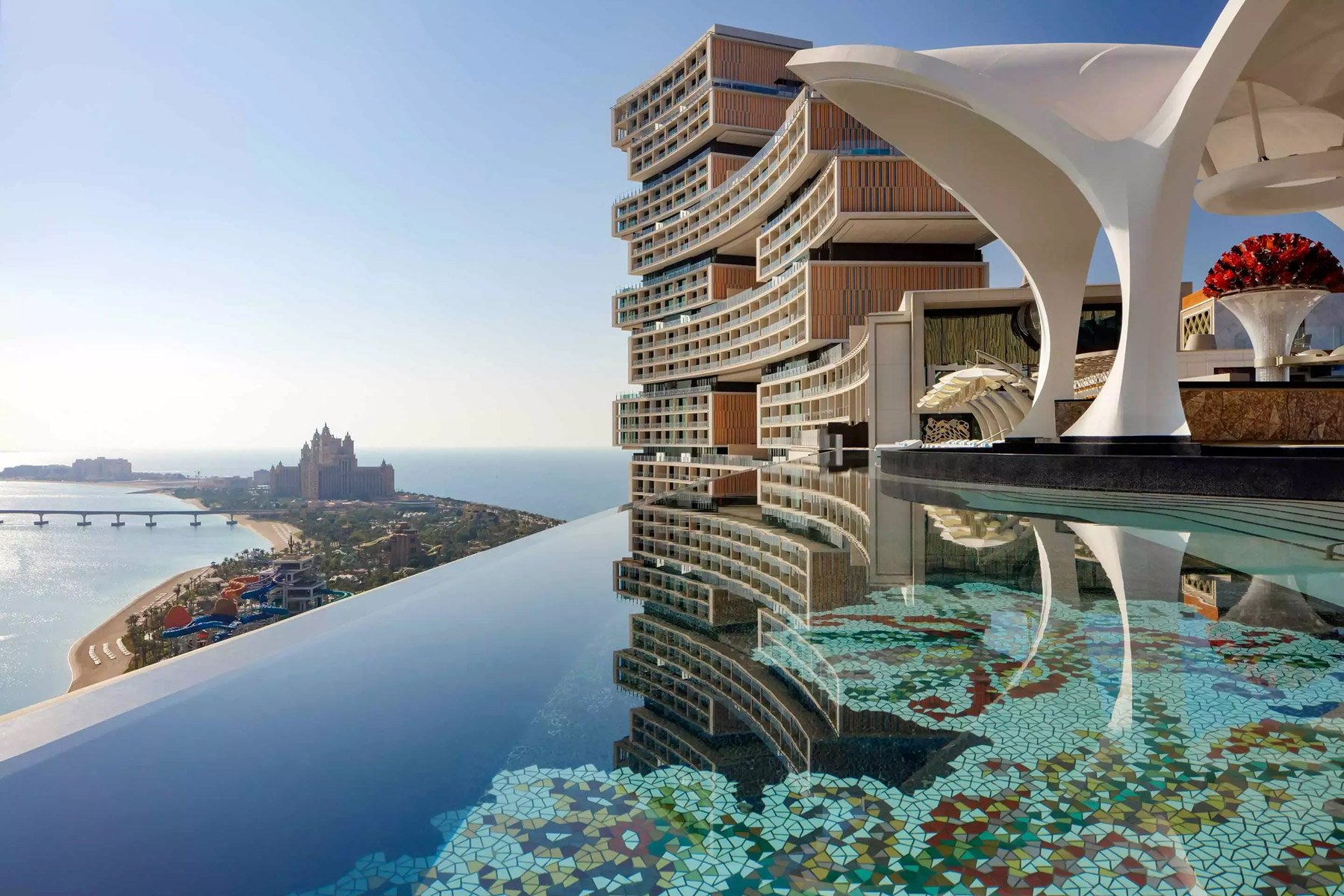
Image source: Atlantis Dubai
New markets do not respond to the same signals. A visual identity that resonates with British heritage buyers may alienate Asian Gen-Z consumers. A tone of voice built for direct-to-consumer intimacy may feel unprofessional to B2B procurement teams. The brand that scales is the brand that adapts without fragmenting.
Why Markets Fail to Open
Most market expansion fails at the identity layer, not the product layer. The brand:
Looks too local to feel relevant internationally.
Speaks too niche to attract mass-luxury buyers.
Feels too established to enter adjacent categories credibly.
The product may be right. The story is wrong.
How Brand Design Creates Passage
Strategic identity design is not decoration. It is a market entry mechanism.
Geographic expansion starts with visual codes that travel. Colour, form, and typographic systems that feel universal without feeling anonymous. Photography direction that respects local cultural literacy without pandering.
Category expansion requires brand architecture. A masterbrand that can stretch. Sub-brands that inherit credibility. Product-level identities that do not compete with the parent.
Audience expansion needs tonal flexibility. A voice that can shift registers — from editorial authority to conversational warmth — without losing coherence.
The Framework
Map the gap. Where is the demand that your product could satisfy, but your brand currently excludes?
Identify the barrier. Is it visual, verbal, or structural?
Design the bridge. Build an identity system that honours the core while creating permission to enter.
Test ruthlessly. Does the new market feel invited, not targeted?
In Practice
A heritage wellness brand approached us to enter the longevity and biohacking space. Their existing identity felt traditional — trustworthy, but dated. We retained their core typographic discipline and elevated the material language toward precision and science. The result: a brand that felt credible to both existing loyalists and new performance-obsessed buyers. Same product. New permission.
Define London builds brand identities that travel. If you are planning to enter a new market, let's define what your brand can become.
99 Great Portland Street
London
W1W 8RZ
Written by the Define London studio.