What Is Luxury Brand Positioning? A Complete Guide
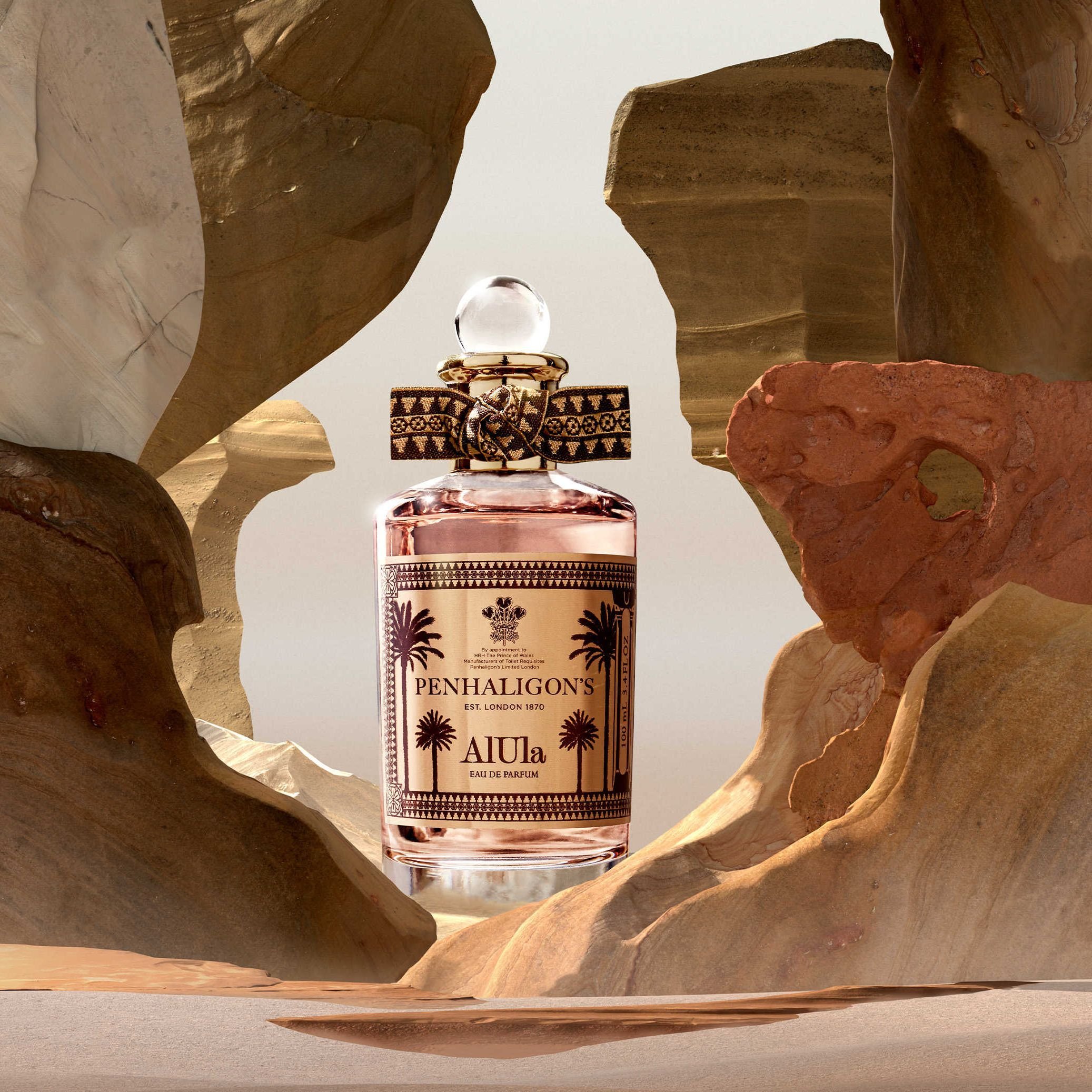
Luxury brand positioning is the strategic process of defining how a premium brand occupies a distinct, defensible, and desirable place in the market, and in the mind of its audience.
It is not a tagline. It is not a mood board. It is not a colour palette. It is the intellectual and emotional foundation upon which every other brand decision rests: what you charge, who you attract, how you speak, where you appear, and why anyone should care.
For premium brands, positioning is everything. A mispositioned luxury brand is either invisible or, worse, discounted. This guide explains what luxury brand positioning is, how it differs from mass market positioning, and how to build a positioning framework that commands premium perception.
The Three Questions Every Positioning Must Answer
At its core, brand positioning answers three questions:
What category do you compete in?
What makes you different from every other option in that category?
Why should your target audience believe you?
For mass market brands, positioning often revolves around functional superiority, price competitiveness, or convenience. For luxury brands, positioning operates on an entirely different logic.
How Luxury Positioning Differs From Mass Market
Luxury brand positioning does not compete on function. It competes on meaning. The goal is not to convince a customer that your product is better. It is to convince them that your brand represents something they want to be associated with.
Scarcity over abundance. Luxury brands limit access. Positioning must signal exclusivity, not mass appeal.
Heritage over novelty. While innovation matters, luxury positioning often draws authority from history, craftsmanship, and tradition.
Emotional resonance over rational benefit. The positioning must justify premium pricing through intangible value: status, identity, belonging, aspiration.
Cultural fluency over universal appeal. Luxury positioning must feel native to the cultures it operates in while maintaining global coherence.
The Components of a Positioning Framework
Where does your brand sit relative to direct and indirect competitors? This is not about being "the best." It is about occupying a space that no one else can credibly claim.
What does your brand promise that justifies premium pricing? For luxury brands, this is rarely functional. It is about transformation, identity, or access to a world.
The 3 to 5 strategic themes that support your positioning. These become the filter for every creative and commercial decision.
Not demographics. Psychographics. What does your audience believe about themselves? What do they fear? What do they aspire to? Luxury positioning must align with identity, not just purchasing power.
The tone, vocabulary, and narrative structures that express positioning in language. This includes tagline, key messages, and narrative frameworks.
The aesthetic expression of positioning. Colour, typography, photography, and spatial design must all reinforce the position, not contradict it.
How Define London Builds Positioning Frameworks
At Define London, we build positioning frameworks through a structured process across five phases:
Phase 1: Discovery. Stakeholder interviews, market analysis, competitive mapping, and audience segmentation. We understand the brand as it exists today, including its equity, its friction points, and its opportunities.
Phase 2: Strategy. We define the competitive territory, value proposition, brand pillars, and strategic narrative. This is the intellectual architecture of the brand.
Phase 3: Expression. We translate strategy into verbal identity and visual direction. Positioning is worthless if it cannot be expressed.
Phase 4: Touchpoint Mapping. We map how positioning flows through every customer interaction, whether digital, physical, social, or environmental.
Phase 5: Governance. We create guidelines, train teams, and establish mechanisms for ongoing positioning maintenance. Markets shift. Positioning must evolve.
Positioning in Practice: Bvlgari Serpenti
For Bvlgari's Serpenti Bag Collection, the positioning challenge was clear. The line carried decades of equity but needed contemporary relevance to capture new luxury consumers.
Our work developed a visual narrative that repositioned the collection from classic jewellery accessory to modern luxury icon. Through refined art direction and cinematic lighting, we translated the serpent's hypnotic symbolism into a visual language that felt immediate, desirable, and premium, honouring heritage while claiming contemporary territory.
Positioning in Practice: Embassy Gardens
Ballymore's Embassy Gardens required positioning that differentiated the development in London's saturated luxury residential market.
We shaped the creative direction to position Embassy Gardens not as property but as a definition of contemporary luxury living. The brochure and visual identity elevated perception, aligned Ballymore with the upper tier of London property, and justified premium positioning through every touchpoint.
Common Positioning Mistakes
Mistake 1: Competing on price. Premium brands that discount destroy positioning permanently.
Mistake 2: Chasing trends. Luxury positioning requires timelessness. Following every trend signals insecurity.
Mistake 3: Explaining too much. Luxury brands do not justify. They imply. Positioning that explains too much feels needy.
Mistake 4: Inconsistent expression. If your digital presence contradicts your physical experience, positioning collapses.
Mistake 5: Ignoring cultural nuance. A positioning framework that works in London may fail in Dubai or Shanghai without adaptation.
Frequently Asked Questions
What is luxury brand positioning? Luxury brand positioning is the strategic process of defining how a premium brand occupies a distinct place in the market and in the minds of its audience. It informs pricing, messaging, visual identity, and every customer touchpoint.
How is luxury positioning different from mass market positioning? Luxury positioning relies on scarcity, heritage, emotional resonance, and cultural fluency rather than functional superiority or price competitiveness.
How long does a positioning project take? A comprehensive positioning project typically takes 6 to 10 weeks, depending on complexity and research depth.
Can you reposition an established heritage brand? Yes. Heritage repositioning preserves brand equity while modernising perception, messaging, and visual expression.
What sectors does Define London position brands in? We work across fashion and jewellery, real estate and hospitality, lifestyle and culture, and health and wellness.
Do you work internationally? Yes. While based in London, we work with luxury brands globally. Our frameworks are designed to travel across cultures while retaining core identity.
Making It Work
Luxury brand positioning is not decoration. It is strategy. It is the difference between a brand that commands premium prices and one that competes on discount. It is the difference between being chosen and being ignored.
At Define London, we build positioning frameworks that are intellectually rigorous and viscerally felt. If your brand needs to occupy a stronger, more distinct, more desirable place in the market, we should talk.
If you are ready to strengthen your brand's position in the market, contact Define London to start the conversation.
Written by the Define London studio.99 Great Portland Street
London
W1W 8RZ
Written by the Define London studio.